

Libby, MT 59923

Monday - Friday: 8am-5pm / Weekend By Appointment Only


Blog Layout

MBC Builders, LLC

Contact Us

Log Home Maintenance Tips for Libby Homeowners

Log homes in Northwest Montana are built to last. But without consistent upkeep, they can deteriorate faster than almost any other structure type in the region.


MBC Builders LLC works with log home owners throughout Libby who are surprised by how quickly Montana's climate attacks exposed wood. The damage is not always dramatic. It creeps in quietly through cracked chinking, faded finishes, and moisture that gets where it should not.

Why Northwest Montana Is Especially Hard on Log Homes

The conditions here are not average. At Montana elevations, UV radiation is 25% to 40% more intense than at sea level. That difference matters enormously for any exposed wood surface.


UV radiation breaks down lignin, which is the natural polymer that holds wood fibers together. Once lignin degrades, the wood surface turns gray, checks, and becomes brittle. Finish adhesion fails. Moisture follows.


Temperature swings compound the problem. Daily swings of 50 to 60 degrees are common in this region. Logs constantly expand and contract with those changes. Traditional sealants and chinking crack under that stress, opening gaps for water intrusion.

The Most Common Problems Log Home Owners Miss

Catching small problems early keeps repair costs manageable. Here is what to look for every season:


  • Check failures: Horizontal cracks along log surfaces allow water to pool and penetrate deep into the wood.
  • Chinking gaps: Cracked or separating chinking between logs is a primary entry point for moisture and insects.
  • Faded or peeling finish: A finish that has lost its color or is flaking provides almost no UV or water protection.
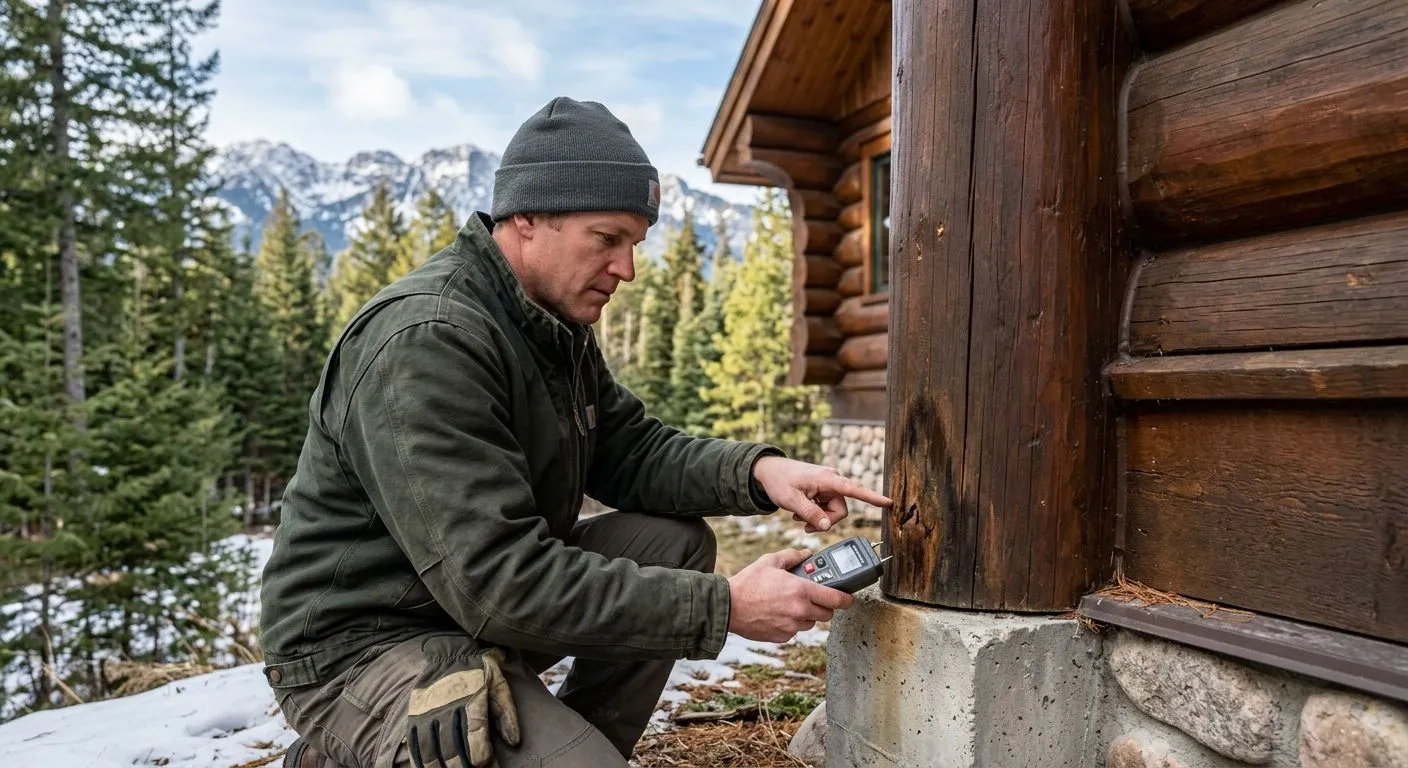
  • Dark staining or soft spots: These often indicate mold, mildew, or early wood rot. Soft spots need immediate attention.
  • Clogged or damaged gutters: Water overflow from gutters falls directly against the log wall below. That constant exposure causes accelerated deterioration at the base courses.


September is a smart time for a full inspection. Summer UV exposure has already done its work on the finish, and identifying problems before winter sets in can prevent freeze-thaw cycles from turning minor issues into expensive structural repairs.

Proactive Design Decisions That Reduce Maintenance

Smart design choices at the time of construction or renovation dramatically reduce the ongoing burden of log home maintenance services. These are not just cosmetic preferences. They directly affect how long your logs stay healthy.


Extend your roof overhangs. The standard 2-foot overhang was never designed with Montana conditions in mind. Builders in 2026 are increasingly recommending overhangs of 3 to 4 feet on log structures. The extended coverage shields log walls from both direct sun and rain splash. It is one of the most cost-effective long-term maintenance reductions available.


Wrap exposed elevations with covered decks or porches. South- and west-facing walls receive the most UV punishment. A covered deck or porch along those elevations acts as a continuous shade structure for the logs behind it. It also gives homeowners usable outdoor living space, which is a real bonus in a region with Libby's scenery.


Choose the right decking surface. For the deck itself, capped composite materials are replacing traditional wood in 2026 across Northwest Montana. They resist high-altitude UV fading and do not splinter or warp under heavy snow loads the way raw wood does. They also eliminate the sanding, staining, and sealing cycle that comes with wood decks.

What a Professional Log Home Maintenance Visit Involves

A qualified crew does much more than apply fresh stain. Here is what a thorough maintenance visit covers:


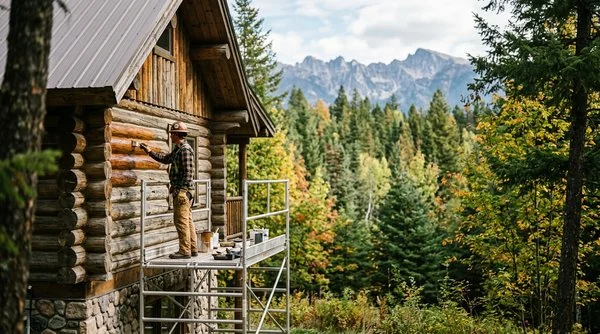
  • Surface cleaning and media blasting to remove gray oxidized wood, old failing finish, mold, and mildew without damaging the wood fiber.
  • Checking and re-chinking to seal any gaps between logs with flexible, breathable material that can handle the expansion and contraction cycles of Montana winters.
  • Borate treatment applied to bare wood before any finish coat. Borate penetrates deeply and provides long-term protection against wood-boring insects and fungal decay.
  • Application of a premium log finish formulated for high-UV environments. Finish selection matters here. Products built for sea-level or moderate climates will fail prematurely.
  • Caulking around windows, doors, and log ends where water infiltration most commonly occurs.
  • Gutter inspection and drainage assessment to confirm water is moving away from the structure.

How Often Should You Schedule Maintenance?

The honest answer depends on your home's exposure and the quality of its last finish. A south-facing home with minimal overhang coverage in an open meadow will need attention more frequently than a shaded, north-facing structure.


As a general rule, a full restore and refinish cycle every five to seven years is reasonable for most log homes in this region with proper overhang coverage. Spot maintenance, including caulking checks and a fresh finish coat on high-exposure areas, is worth doing every two to three years.


Skipping cycles never saves money. The cost of restoring severely degraded logs is substantially higher than the cost of routine upkeep.

Frequently Asked Questions

  • Can I apply new log stain over the old finish myself?

    Application is possible for homeowners with the right equipment, but surface preparation is the critical step that most DIY projects get wrong. Applying fresh finish over failing or contaminated wood locks in the problem rather than solving it. Professional media blasting and cleaning are almost always necessary before any product is applied.

  • What is the best season to do log home work in the Libby area?

    Late spring through early fall is ideal. Wood needs dry conditions and moderate temperatures for proper product penetration and curing. Early fall, while temperatures are still mild and rain has not yet set in, is a practical window for finishing work before winter.

  • How do I know if my chinking is still doing its job?

    Run your hand along the chinking lines and press gently. Healthy chinking is flexible and bonded firmly on both edges. If it feels hard, brittle, or pulls away from the log surface, it has lost its seal and needs replacement.

  • Does log home maintenance add to resale value?

    Consistently maintained log homes hold their value significantly better than neglected ones. A structurally sound log home with a fresh, clean finish makes a very different first impression. Buyers in this market understand what deferred maintenance on a log structure ultimately costs.

If your log home is showing signs of UV damage, finish failure, or chinking gaps heading into fall, now is the right time to act. Reach out to MBC Builders LLC to schedule a log home maintenance assessment in Libby.
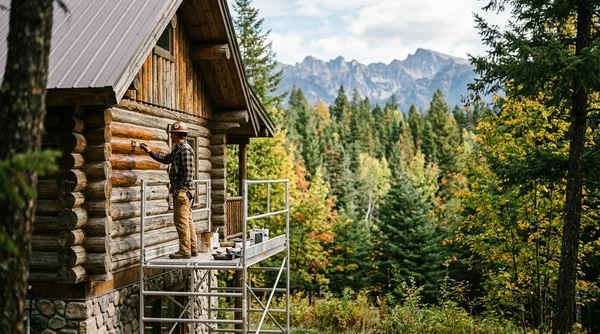
log home maintenance

Recent posts

August 14, 2026
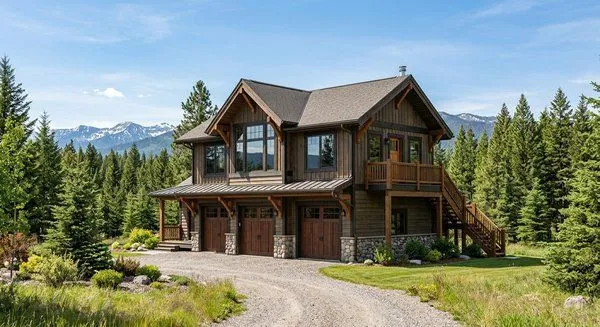
Thinking about garage builds with living quarters in Libby, MT? Learn how ADU laws, design options, and local climate shape your build in 2026.
July 11, 2026
Discover the four biggest threats to log homes and custom builds in Libby and Kalispell, MT, including UV fading, frost heave, splash-back rot, and heavy snow loads. Learn how to protect your investment with expert tips from local builders.
June 17, 2026
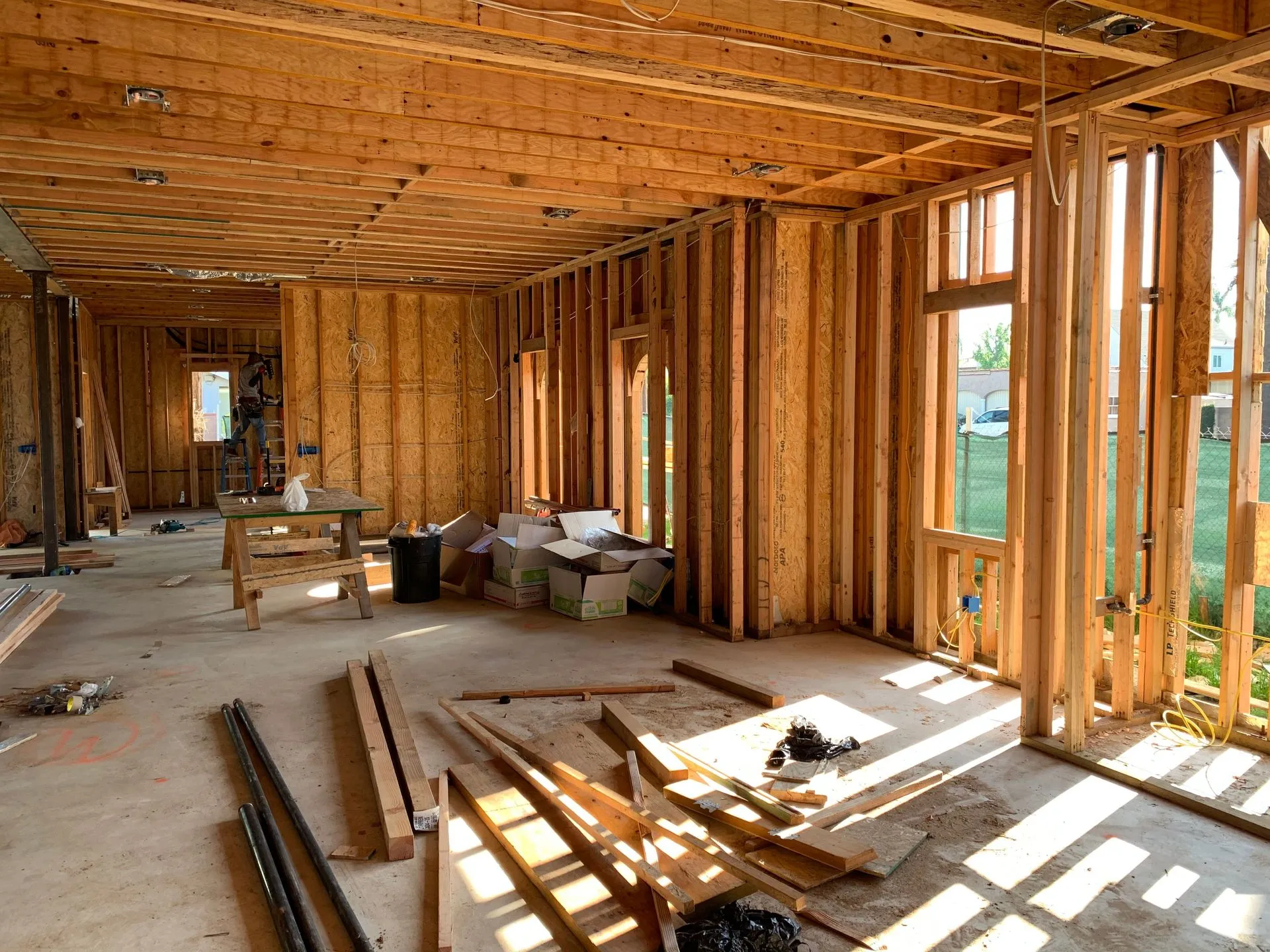
Learn the essential steps in a successful custom home building project, from planning and design to construction and move-in day.
August 14, 2026
Thinking about garage builds with living quarters in Libby, MT? Learn how ADU laws, design options, and local climate shape your build in 2026.
July 11, 2026
Discover the four biggest threats to log homes and custom builds in Libby and Kalispell, MT, including UV fading, frost heave, splash-back rot, and heavy snow loads. Learn how to protect your investment with expert tips from local builders.
June 17, 2026
Learn the essential steps in a successful custom home building project, from planning and design to construction and move-in day.
August 14, 2026
Thinking about garage builds with living quarters in Libby, MT? Learn how ADU laws, design options, and local climate shape your build in 2026.
July 11, 2026
Discover the four biggest threats to log homes and custom builds in Libby and Kalispell, MT, including UV fading, frost heave, splash-back rot, and heavy snow loads. Learn how to protect your investment with expert tips from local builders.
June 17, 2026
Learn the essential steps in a successful custom home building project, from planning and design to construction and move-in day.

MBC Builders, LLC

Contact Us

Log Home Maintenance Tips for Libby Homeowners

Log homes in Northwest Montana are built to last. But without consistent upkeep, they can deteriorate faster than almost any other structure type in the region.


MBC Builders LLC works with log home owners throughout Libby who are surprised by how quickly Montana's climate attacks exposed wood. The damage is not always dramatic. It creeps in quietly through cracked chinking, faded finishes, and moisture that gets where it should not.

Why Northwest Montana Is Especially Hard on Log Homes

The conditions here are not average. At Montana elevations, UV radiation is 25% to 40% more intense than at sea level. That difference matters enormously for any exposed wood surface.


UV radiation breaks down lignin, which is the natural polymer that holds wood fibers together. Once lignin degrades, the wood surface turns gray, checks, and becomes brittle. Finish adhesion fails. Moisture follows.


Temperature swings compound the problem. Daily swings of 50 to 60 degrees are common in this region. Logs constantly expand and contract with those changes. Traditional sealants and chinking crack under that stress, opening gaps for water intrusion.

The Most Common Problems Log Home Owners Miss

Catching small problems early keeps repair costs manageable. Here is what to look for every season:


  • Check failures: Horizontal cracks along log surfaces allow water to pool and penetrate deep into the wood.
  • Chinking gaps: Cracked or separating chinking between logs is a primary entry point for moisture and insects.
  • Faded or peeling finish: A finish that has lost its color or is flaking provides almost no UV or water protection.
  • Dark staining or soft spots: These often indicate mold, mildew, or early wood rot. Soft spots need immediate attention.
  • Clogged or damaged gutters: Water overflow from gutters falls directly against the log wall below. That constant exposure causes accelerated deterioration at the base courses.


September is a smart time for a full inspection. Summer UV exposure has already done its work on the finish, and identifying problems before winter sets in can prevent freeze-thaw cycles from turning minor issues into expensive structural repairs.

Proactive Design Decisions That Reduce Maintenance

Smart design choices at the time of construction or renovation dramatically reduce the ongoing burden of log home maintenance services. These are not just cosmetic preferences. They directly affect how long your logs stay healthy.


Extend your roof overhangs. The standard 2-foot overhang was never designed with Montana conditions in mind. Builders in 2026 are increasingly recommending overhangs of 3 to 4 feet on log structures. The extended coverage shields log walls from both direct sun and rain splash. It is one of the most cost-effective long-term maintenance reductions available.


Wrap exposed elevations with covered decks or porches. South- and west-facing walls receive the most UV punishment. A covered deck or porch along those elevations acts as a continuous shade structure for the logs behind it. It also gives homeowners usable outdoor living space, which is a real bonus in a region with Libby's scenery.


Choose the right decking surface. For the deck itself, capped composite materials are replacing traditional wood in 2026 across Northwest Montana. They resist high-altitude UV fading and do not splinter or warp under heavy snow loads the way raw wood does. They also eliminate the sanding, staining, and sealing cycle that comes with wood decks.

What a Professional Log Home Maintenance Visit Involves

A qualified crew does much more than apply fresh stain. Here is what a thorough maintenance visit covers:


  • Surface cleaning and media blasting to remove gray oxidized wood, old failing finish, mold, and mildew without damaging the wood fiber.
  • Checking and re-chinking to seal any gaps between logs with flexible, breathable material that can handle the expansion and contraction cycles of Montana winters.
  • Borate treatment applied to bare wood before any finish coat. Borate penetrates deeply and provides long-term protection against wood-boring insects and fungal decay.
  • Application of a premium log finish formulated for high-UV environments. Finish selection matters here. Products built for sea-level or moderate climates will fail prematurely.
  • Caulking around windows, doors, and log ends where water infiltration most commonly occurs.
  • Gutter inspection and drainage assessment to confirm water is moving away from the structure.

How Often Should You Schedule Maintenance?

The honest answer depends on your home's exposure and the quality of its last finish. A south-facing home with minimal overhang coverage in an open meadow will need attention more frequently than a shaded, north-facing structure.


As a general rule, a full restore and refinish cycle every five to seven years is reasonable for most log homes in this region with proper overhang coverage. Spot maintenance, including caulking checks and a fresh finish coat on high-exposure areas, is worth doing every two to three years.


Skipping cycles never saves money. The cost of restoring severely degraded logs is substantially higher than the cost of routine upkeep.

Frequently Asked Questions

  • Can I apply new log stain over the old finish myself?

    Application is possible for homeowners with the right equipment, but surface preparation is the critical step that most DIY projects get wrong. Applying fresh finish over failing or contaminated wood locks in the problem rather than solving it. Professional media blasting and cleaning are almost always necessary before any product is applied.

  • What is the best season to do log home work in the Libby area?

    Late spring through early fall is ideal. Wood needs dry conditions and moderate temperatures for proper product penetration and curing. Early fall, while temperatures are still mild and rain has not yet set in, is a practical window for finishing work before winter.

  • How do I know if my chinking is still doing its job?

    Run your hand along the chinking lines and press gently. Healthy chinking is flexible and bonded firmly on both edges. If it feels hard, brittle, or pulls away from the log surface, it has lost its seal and needs replacement.

  • Does log home maintenance add to resale value?

    Consistently maintained log homes hold their value significantly better than neglected ones. A structurally sound log home with a fresh, clean finish makes a very different first impression. Buyers in this market understand what deferred maintenance on a log structure ultimately costs.

If your log home is showing signs of UV damage, finish failure, or chinking gaps heading into fall, now is the right time to act. Reach out to MBC Builders LLC to schedule a log home maintenance assessment in Libby.
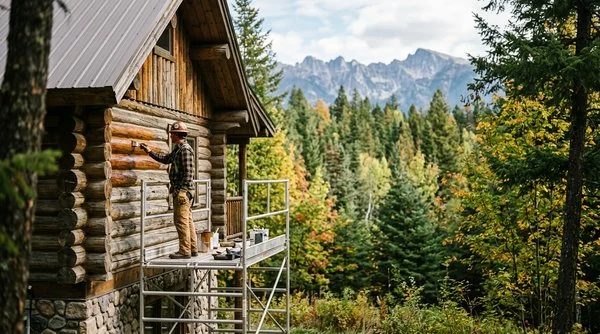
log home maintenance

Recent posts

August 14, 2026
Thinking about garage builds with living quarters in Libby, MT? Learn how ADU laws, design options, and local climate shape your build in 2026.
July 11, 2026
Discover the four biggest threats to log homes and custom builds in Libby and Kalispell, MT, including UV fading, frost heave, splash-back rot, and heavy snow loads. Learn how to protect your investment with expert tips from local builders.
June 17, 2026
Learn the essential steps in a successful custom home building project, from planning and design to construction and move-in day.

MBC Builders, LLC

Contact Us

Log Home Maintenance Tips for Libby Homeowners

Log homes in Northwest Montana are built to last. But without consistent upkeep, they can deteriorate faster than almost any other structure type in the region.


MBC Builders LLC works with log home owners throughout Libby who are surprised by how quickly Montana's climate attacks exposed wood. The damage is not always dramatic. It creeps in quietly through cracked chinking, faded finishes, and moisture that gets where it should not.

Why Northwest Montana Is Especially Hard on Log Homes

The conditions here are not average. At Montana elevations, UV radiation is 25% to 40% more intense than at sea level. That difference matters enormously for any exposed wood surface.


UV radiation breaks down lignin, which is the natural polymer that holds wood fibers together. Once lignin degrades, the wood surface turns gray, checks, and becomes brittle. Finish adhesion fails. Moisture follows.


Temperature swings compound the problem. Daily swings of 50 to 60 degrees are common in this region. Logs constantly expand and contract with those changes. Traditional sealants and chinking crack under that stress, opening gaps for water intrusion.

The Most Common Problems Log Home Owners Miss

Catching small problems early keeps repair costs manageable. Here is what to look for every season:


  • Check failures: Horizontal cracks along log surfaces allow water to pool and penetrate deep into the wood.
  • Chinking gaps: Cracked or separating chinking between logs is a primary entry point for moisture and insects.
  • Faded or peeling finish: A finish that has lost its color or is flaking provides almost no UV or water protection.
  • Dark staining or soft spots: These often indicate mold, mildew, or early wood rot. Soft spots need immediate attention.
  • Clogged or damaged gutters: Water overflow from gutters falls directly against the log wall below. That constant exposure causes accelerated deterioration at the base courses.


September is a smart time for a full inspection. Summer UV exposure has already done its work on the finish, and identifying problems before winter sets in can prevent freeze-thaw cycles from turning minor issues into expensive structural repairs.

Proactive Design Decisions That Reduce Maintenance

Smart design choices at the time of construction or renovation dramatically reduce the ongoing burden of log home maintenance services. These are not just cosmetic preferences. They directly affect how long your logs stay healthy.


Extend your roof overhangs. The standard 2-foot overhang was never designed with Montana conditions in mind. Builders in 2026 are increasingly recommending overhangs of 3 to 4 feet on log structures. The extended coverage shields log walls from both direct sun and rain splash. It is one of the most cost-effective long-term maintenance reductions available.


Wrap exposed elevations with covered decks or porches. South- and west-facing walls receive the most UV punishment. A covered deck or porch along those elevations acts as a continuous shade structure for the logs behind it. It also gives homeowners usable outdoor living space, which is a real bonus in a region with Libby's scenery.


Choose the right decking surface. For the deck itself, capped composite materials are replacing traditional wood in 2026 across Northwest Montana. They resist high-altitude UV fading and do not splinter or warp under heavy snow loads the way raw wood does. They also eliminate the sanding, staining, and sealing cycle that comes with wood decks.

What a Professional Log Home Maintenance Visit Involves

A qualified crew does much more than apply fresh stain. Here is what a thorough maintenance visit covers:


  • Surface cleaning and media blasting to remove gray oxidized wood, old failing finish, mold, and mildew without damaging the wood fiber.
  • Checking and re-chinking to seal any gaps between logs with flexible, breathable material that can handle the expansion and contraction cycles of Montana winters.
  • Borate treatment applied to bare wood before any finish coat. Borate penetrates deeply and provides long-term protection against wood-boring insects and fungal decay.
  • Application of a premium log finish formulated for high-UV environments. Finish selection matters here. Products built for sea-level or moderate climates will fail prematurely.
  • Caulking around windows, doors, and log ends where water infiltration most commonly occurs.
  • Gutter inspection and drainage assessment to confirm water is moving away from the structure.

How Often Should You Schedule Maintenance?

The honest answer depends on your home's exposure and the quality of its last finish. A south-facing home with minimal overhang coverage in an open meadow will need attention more frequently than a shaded, north-facing structure.


As a general rule, a full restore and refinish cycle every five to seven years is reasonable for most log homes in this region with proper overhang coverage. Spot maintenance, including caulking checks and a fresh finish coat on high-exposure areas, is worth doing every two to three years.


Skipping cycles never saves money. The cost of restoring severely degraded logs is substantially higher than the cost of routine upkeep.

Frequently Asked Questions

  • Can I apply new log stain over the old finish myself?

    Application is possible for homeowners with the right equipment, but surface preparation is the critical step that most DIY projects get wrong. Applying fresh finish over failing or contaminated wood locks in the problem rather than solving it. Professional media blasting and cleaning are almost always necessary before any product is applied.

  • What is the best season to do log home work in the Libby area?

    Late spring through early fall is ideal. Wood needs dry conditions and moderate temperatures for proper product penetration and curing. Early fall, while temperatures are still mild and rain has not yet set in, is a practical window for finishing work before winter.

  • How do I know if my chinking is still doing its job?

    Run your hand along the chinking lines and press gently. Healthy chinking is flexible and bonded firmly on both edges. If it feels hard, brittle, or pulls away from the log surface, it has lost its seal and needs replacement.

  • Does log home maintenance add to resale value?

    Consistently maintained log homes hold their value significantly better than neglected ones. A structurally sound log home with a fresh, clean finish makes a very different first impression. Buyers in this market understand what deferred maintenance on a log structure ultimately costs.

If your log home is showing signs of UV damage, finish failure, or chinking gaps heading into fall, now is the right time to act. Reach out to MBC Builders LLC to schedule a log home maintenance assessment in Libby.

log home maintenance

Recent posts

August 14, 2026
Thinking about garage builds with living quarters in Libby, MT? Learn how ADU laws, design options, and local climate shape your build in 2026.
July 11, 2026
Discover the four biggest threats to log homes and custom builds in Libby and Kalispell, MT, including UV fading, frost heave, splash-back rot, and heavy snow loads. Learn how to protect your investment with expert tips from local builders.
June 17, 2026
Learn the essential steps in a successful custom home building project, from planning and design to construction and move-in day.
Share by: