

Libby, MT 59923

Monday - Friday: 8am-5pm / Weekend By Appointment Only


Blog Layout

MBC Builders, LLC

Contact Us
Frost Heave Prevention for Libby, MT Foundations

Frost heave prevention comes down to one simple rule: footings must sit below the frost line, not just below the surface. In the area, that means digging deeper than most homeowners expect, because shallow concrete work almost always fails here eventually.


Winters in Lincoln County push freezing temperatures far into the soil. When moisture in that soil freezes, it expands with tremendous force. A foundation, slab, or porch footing that isn't deep enough gets pushed upward, cracked, or tilted over time. This is frost heave, and it's one of the most common structural headaches for property owners around Libby, MT.

Why Frost Depth Matters More Here Than Most Places

The area sits in a climate zone where the ground genuinely freezes hard each winter. Regional building standards call for footings to extend 36 to 42 inches below grade to stay clear of that frost zone. Go shallower, and you're gambling with your investment.


Frost heave doesn't always announce itself right away. It can take a season or two of freeze and thaw cycles before problems surface. By the time cracks show up, the damage underneath is usually worse than it looks.

Warning Signs of Frost Heave You Shouldn't Ignore

Catching foundation movement early saves money and stress.

Watch for these signs as temperatures swing through the fall and into winter:

  • Doors or windows that suddenly stick or won't latch properly
  • Visible cracks running through a concrete slab, patio, or garage floor
  • Uneven or sloping floors inside a home or outbuilding
  • Gaps opening up between a porch and the main structure
  • Exterior steps or walkways that shift or separate from the foundation


None of these issues fix themselves. They tend to get worse with each additional freeze and thaw cycle, especially once winter sets in fully.

What Proper Foundation Work Actually Involves

Good concrete and foundation work isn't just about pouring a slab and hoping for the best. It requires planning for the ground conditions specific to each site. A few things separate a foundation built to last from one that will fail within a few years:


  1. Site grading first. Water needs somewhere to go. Poor drainage around a foundation is one of the biggest contributors to frost heave problems.
  2. Footings dug to full depth. Cutting corners on excavation depth is the single most common mistake in this region.
  3. A well-drained gravel sub-base. This layer helps manage moisture before it ever reaches the concrete.
  4. Reinforcement appropriate to the load. Decks, porches, garages, and home foundations all carry different weight demands and need footings sized accordingly.


Skipping any one of these steps increases the odds of cracked concrete, sticking doors, or a structure that slowly shifts out of level. It's a pattern we see often in older builds across Lincoln County and Sanders County that weren't engineered for local ground conditions.

Frost Heave Prevention for More Than Just Homes

Frost heave prevention isn't only a concern for primary residences. Garages, pole barns, covered porches, and even standalone concrete pads for equipment storage all need the same deep-footing approach. A detached shop with a shallow slab can heave just as badly as a house foundation, and repairing concrete under a finished structure is far more disruptive than doing it right the first time.


This is especially true for rural properties around Libby, MT and Flathead County where outbuildings often go up to support ranching, storage, or workshop needs. Treating the foundation as an afterthought on these projects tends to backfire within a few winters.

Timing Foundation Work Around Montana Winters

November is a transition month in this region. Ground temperatures are dropping, but there's often still a window before hard freeze sets in completely. Planning concrete and foundation projects ahead of the deep freeze, or scheduling them for the spring thaw, helps avoid pouring into marginal conditions that compromise curing.


MBC Builders LLC has worked on foundations throughout Lincoln County, Flathead County, and the surrounding area long enough to know which sites need extra attention. Soil composition, slope, and drainage patterns vary even within a few miles, and that affects how footings should be engineered.

Frequently Asked Questions

  • How deep do foundation footings need to be in Libby, MT?

    Regional guidelines call for footings extending 36 to 42 inches below grade to clear the typical frost line in the area. Site-specific conditions can push that depth even further depending on elevation and soil type.

  • Can an existing foundation be repaired if frost heave has already caused damage?

    Yes, in many cases. Repair options depend on the severity of the movement and whether the original footings were installed at adequate depth. A proper assessment is the first step before deciding between repair and replacement.

  • Does frost heave affect decks and porches the same way it affects home foundations?

    Absolutely. Any concrete footing, whether under a home, deck, porch, or garage, is vulnerable if it doesn't extend below the frost line. Undersized or shallow footings on outdoor structures are a frequent cause of shifting and separation.

  • Is fall or spring the better time to schedule foundation work in this region?

    Both can work, but each has tradeoffs tied to ground temperature and moisture. A contractor familiar with local winter patterns can help determine the right window for a specific project.

If sticking doors, cracked concrete, or an uneven slab have you wondering what's happening underneath, it's worth getting a professional opinion before winter deepens. Reach out to MBC Builders LLC to talk through your foundation or concrete project.
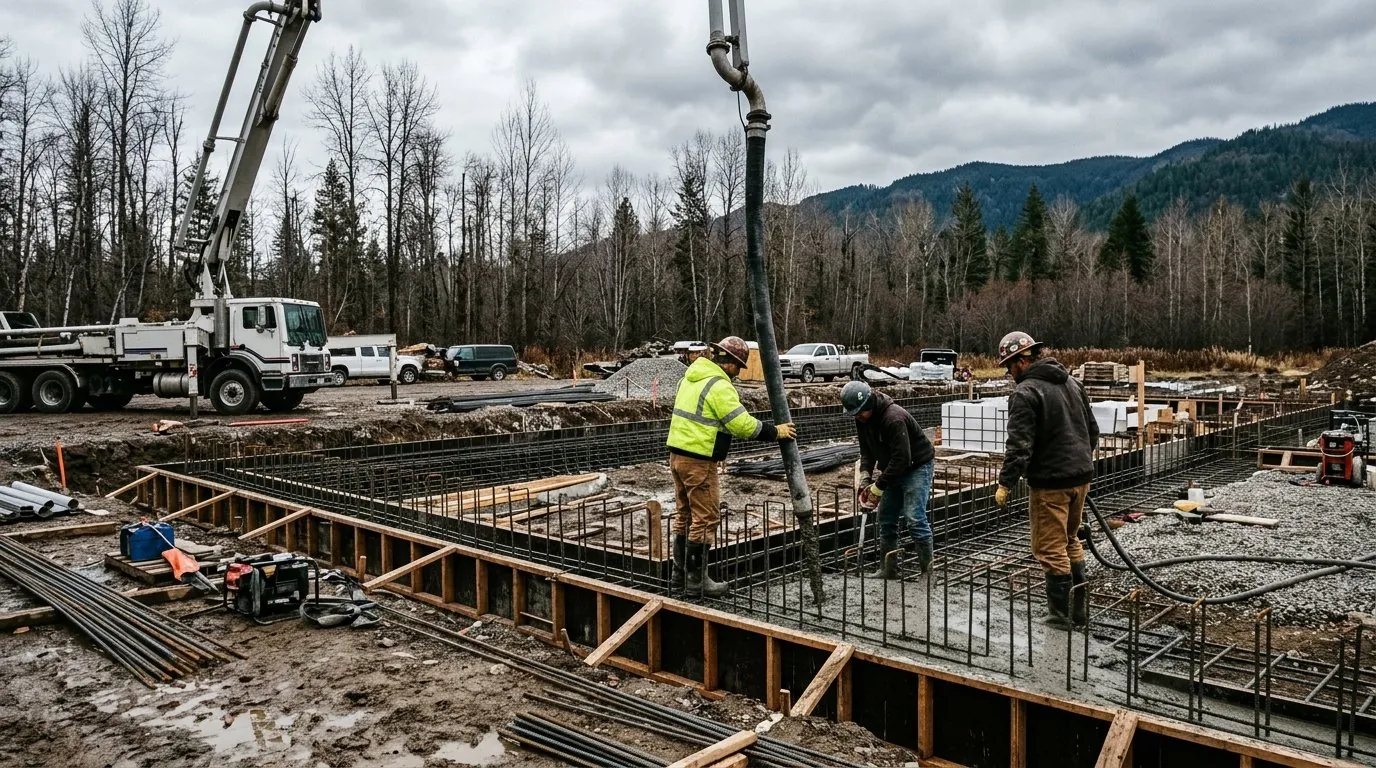
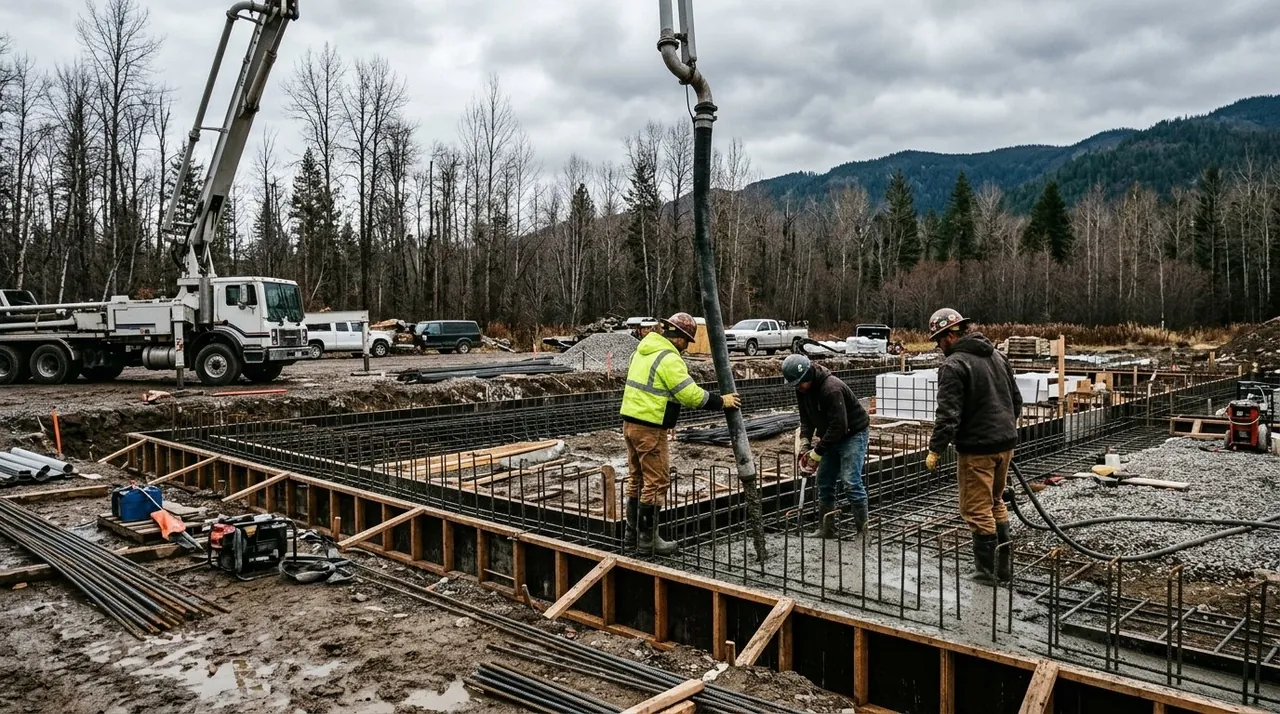
Three workers guiding a concrete pump hose into rebar-filled wooden footing forms on a muddy foundation site, a pump truck behind them and forested mountains under grey cloud beyond.

Recent posts

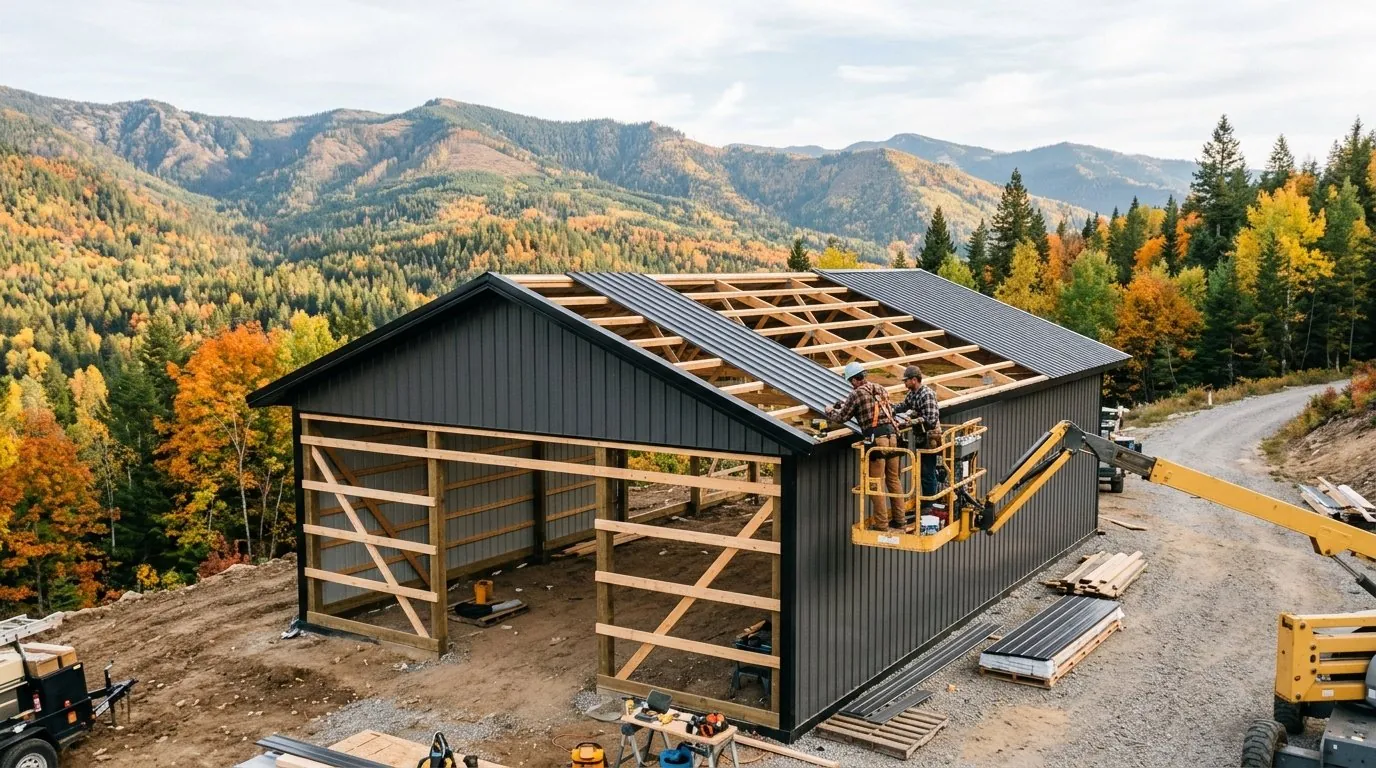
A part-built pole barn with dark metal siding and an open timber frame, two builders working from a boom lift on the half-sheeted roof, set on a cleared mountainside with forested autumn ridges behind.
October 13, 2026
Custom pole barns in Libby, MT now double as workshops, garages, and living space. See how residential design and snow-ready engineering come together.
log home maintenance
September 22, 2026
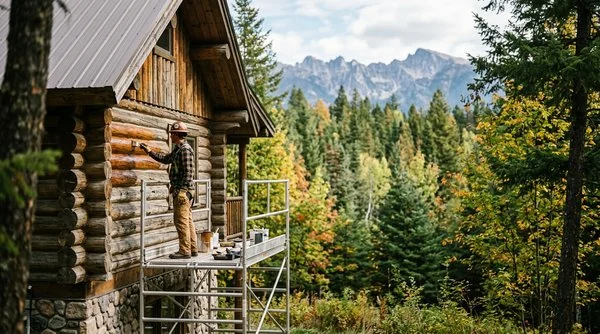
Log home maintenance in Libby protects against intense UV, temperature swings, and moisture damage. Learn what Northwest Montana owners need to know in 2026.
Garage Builds with Living Quarters in Libby, MT
August 14, 2026
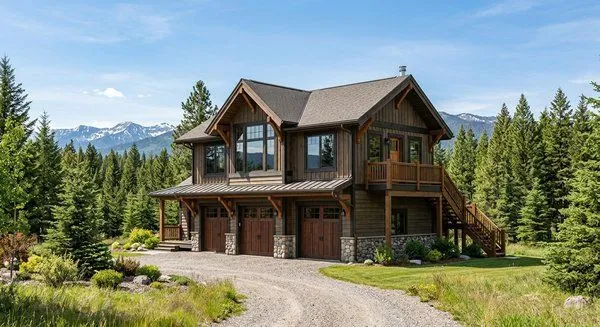
Thinking about garage builds with living quarters in Libby, MT? Learn how ADU laws, design options, and local climate shape your build in 2026.

MBC Builders, LLC

Contact Us
Frost Heave Prevention for Libby, MT Foundations

Frost heave prevention comes down to one simple rule: footings must sit below the frost line, not just below the surface. In the area, that means digging deeper than most homeowners expect, because shallow concrete work almost always fails here eventually.


Winters in Lincoln County push freezing temperatures far into the soil. When moisture in that soil freezes, it expands with tremendous force. A foundation, slab, or porch footing that isn't deep enough gets pushed upward, cracked, or tilted over time. This is frost heave, and it's one of the most common structural headaches for property owners around Libby, MT.

Why Frost Depth Matters More Here Than Most Places

The area sits in a climate zone where the ground genuinely freezes hard each winter. Regional building standards call for footings to extend 36 to 42 inches below grade to stay clear of that frost zone. Go shallower, and you're gambling with your investment.


Frost heave doesn't always announce itself right away. It can take a season or two of freeze and thaw cycles before problems surface. By the time cracks show up, the damage underneath is usually worse than it looks.

Warning Signs of Frost Heave You Shouldn't Ignore

Catching foundation movement early saves money and stress.

Watch for these signs as temperatures swing through the fall and into winter:

  • Doors or windows that suddenly stick or won't latch properly
  • Visible cracks running through a concrete slab, patio, or garage floor
  • Uneven or sloping floors inside a home or outbuilding
  • Gaps opening up between a porch and the main structure
  • Exterior steps or walkways that shift or separate from the foundation


None of these issues fix themselves. They tend to get worse with each additional freeze and thaw cycle, especially once winter sets in fully.

What Proper Foundation Work Actually Involves

Good concrete and foundation work isn't just about pouring a slab and hoping for the best. It requires planning for the ground conditions specific to each site. A few things separate a foundation built to last from one that will fail within a few years:


  1. Site grading first. Water needs somewhere to go. Poor drainage around a foundation is one of the biggest contributors to frost heave problems.
  2. Footings dug to full depth. Cutting corners on excavation depth is the single most common mistake in this region.
  3. A well-drained gravel sub-base. This layer helps manage moisture before it ever reaches the concrete.
  4. Reinforcement appropriate to the load. Decks, porches, garages, and home foundations all carry different weight demands and need footings sized accordingly.


Skipping any one of these steps increases the odds of cracked concrete, sticking doors, or a structure that slowly shifts out of level. It's a pattern we see often in older builds across Lincoln County and Sanders County that weren't engineered for local ground conditions.

Frost Heave Prevention for More Than Just Homes

Frost heave prevention isn't only a concern for primary residences. Garages, pole barns, covered porches, and even standalone concrete pads for equipment storage all need the same deep-footing approach. A detached shop with a shallow slab can heave just as badly as a house foundation, and repairing concrete under a finished structure is far more disruptive than doing it right the first time.


This is especially true for rural properties around Libby, MT and Flathead County where outbuildings often go up to support ranching, storage, or workshop needs. Treating the foundation as an afterthought on these projects tends to backfire within a few winters.

Timing Foundation Work Around Montana Winters

November is a transition month in this region. Ground temperatures are dropping, but there's often still a window before hard freeze sets in completely. Planning concrete and foundation projects ahead of the deep freeze, or scheduling them for the spring thaw, helps avoid pouring into marginal conditions that compromise curing.


MBC Builders LLC has worked on foundations throughout Lincoln County, Flathead County, and the surrounding area long enough to know which sites need extra attention. Soil composition, slope, and drainage patterns vary even within a few miles, and that affects how footings should be engineered.

Frequently Asked Questions

  • How deep do foundation footings need to be in Libby, MT?

    Regional guidelines call for footings extending 36 to 42 inches below grade to clear the typical frost line in the area. Site-specific conditions can push that depth even further depending on elevation and soil type.

  • Can an existing foundation be repaired if frost heave has already caused damage?

    Yes, in many cases. Repair options depend on the severity of the movement and whether the original footings were installed at adequate depth. A proper assessment is the first step before deciding between repair and replacement.

  • Does frost heave affect decks and porches the same way it affects home foundations?

    Absolutely. Any concrete footing, whether under a home, deck, porch, or garage, is vulnerable if it doesn't extend below the frost line. Undersized or shallow footings on outdoor structures are a frequent cause of shifting and separation.

  • Is fall or spring the better time to schedule foundation work in this region?

    Both can work, but each has tradeoffs tied to ground temperature and moisture. A contractor familiar with local winter patterns can help determine the right window for a specific project.

If sticking doors, cracked concrete, or an uneven slab have you wondering what's happening underneath, it's worth getting a professional opinion before winter deepens. Reach out to MBC Builders LLC to talk through your foundation or concrete project.
Three workers guiding a concrete pump hose into rebar-filled wooden footing forms on a muddy foundation site, a pump truck behind them and forested mountains under grey cloud beyond.

Recent posts

A part-built pole barn with dark metal siding and an open timber frame, two builders working from a boom lift on the half-sheeted roof, set on a cleared mountainside with forested autumn ridges behind.
October 13, 2026
Custom pole barns in Libby, MT now double as workshops, garages, and living space. See how residential design and snow-ready engineering come together.
log home maintenance
September 22, 2026
Log home maintenance in Libby protects against intense UV, temperature swings, and moisture damage. Learn what Northwest Montana owners need to know in 2026.
Garage Builds with Living Quarters in Libby, MT
August 14, 2026
Thinking about garage builds with living quarters in Libby, MT? Learn how ADU laws, design options, and local climate shape your build in 2026.

MBC Builders, LLC

Contact Us

Frost Heave Prevention for Libby, MT Foundations

Frost heave prevention comes down to one simple rule: footings must sit below the frost line, not just below the surface. In the area, that means digging deeper than most homeowners expect, because shallow concrete work almost always fails here eventually.


Winters in Lincoln County push freezing temperatures far into the soil. When moisture in that soil freezes, it expands with tremendous force. A foundation, slab, or porch footing that isn't deep enough gets pushed upward, cracked, or tilted over time. This is frost heave, and it's one of the most common structural headaches for property owners around Libby, MT.

Why Frost Depth Matters More Here Than Most Places

The area sits in a climate zone where the ground genuinely freezes hard each winter. Regional building standards call for footings to extend 36 to 42 inches below grade to stay clear of that frost zone. Go shallower, and you're gambling with your investment.


Frost heave doesn't always announce itself right away. It can take a season or two of freeze and thaw cycles before problems surface. By the time cracks show up, the damage underneath is usually worse than it looks.

Warning Signs of Frost Heave You Shouldn't Ignore

Catching foundation movement early saves money and stress.

Watch for these signs as temperatures swing through the fall and into winter:

  • Doors or windows that suddenly stick or won't latch properly
  • Visible cracks running through a concrete slab, patio, or garage floor
  • Uneven or sloping floors inside a home or outbuilding
  • Gaps opening up between a porch and the main structure
  • Exterior steps or walkways that shift or separate from the foundation


None of these issues fix themselves. They tend to get worse with each additional freeze and thaw cycle, especially once winter sets in fully.

What Proper Foundation Work Actually Involves

Good concrete and foundation work isn't just about pouring a slab and hoping for the best. It requires planning for the ground conditions specific to each site. A few things separate a foundation built to last from one that will fail within a few years:


  1. Site grading first. Water needs somewhere to go. Poor drainage around a foundation is one of the biggest contributors to frost heave problems.
  2. Footings dug to full depth. Cutting corners on excavation depth is the single most common mistake in this region.
  3. A well-drained gravel sub-base. This layer helps manage moisture before it ever reaches the concrete.
  4. Reinforcement appropriate to the load. Decks, porches, garages, and home foundations all carry different weight demands and need footings sized accordingly.


Skipping any one of these steps increases the odds of cracked concrete, sticking doors, or a structure that slowly shifts out of level. It's a pattern we see often in older builds across Lincoln County and Sanders County that weren't engineered for local ground conditions.

Frost Heave Prevention for More Than Just Homes

Frost heave prevention isn't only a concern for primary residences. Garages, pole barns, covered porches, and even standalone concrete pads for equipment storage all need the same deep-footing approach. A detached shop with a shallow slab can heave just as badly as a house foundation, and repairing concrete under a finished structure is far more disruptive than doing it right the first time.


This is especially true for rural properties around Libby, MT and Flathead County where outbuildings often go up to support ranching, storage, or workshop needs. Treating the foundation as an afterthought on these projects tends to backfire within a few winters.

Timing Foundation Work Around Montana Winters

November is a transition month in this region. Ground temperatures are dropping, but there's often still a window before hard freeze sets in completely. Planning concrete and foundation projects ahead of the deep freeze, or scheduling them for the spring thaw, helps avoid pouring into marginal conditions that compromise curing.


MBC Builders LLC has worked on foundations throughout Lincoln County, Flathead County, and the surrounding area long enough to know which sites need extra attention. Soil composition, slope, and drainage patterns vary even within a few miles, and that affects how footings should be engineered.

Frequently Asked Questions

  • How deep do foundation footings need to be in Libby, MT?

    Regional guidelines call for footings extending 36 to 42 inches below grade to clear the typical frost line in the area. Site-specific conditions can push that depth even further depending on elevation and soil type.

  • Can an existing foundation be repaired if frost heave has already caused damage?

    Yes, in many cases. Repair options depend on the severity of the movement and whether the original footings were installed at adequate depth. A proper assessment is the first step before deciding between repair and replacement.

  • Does frost heave affect decks and porches the same way it affects home foundations?

    Absolutely. Any concrete footing, whether under a home, deck, porch, or garage, is vulnerable if it doesn't extend below the frost line. Undersized or shallow footings on outdoor structures are a frequent cause of shifting and separation.

  • Is fall or spring the better time to schedule foundation work in this region?

    Both can work, but each has tradeoffs tied to ground temperature and moisture. A contractor familiar with local winter patterns can help determine the right window for a specific project.

If sticking doors, cracked concrete, or an uneven slab have you wondering what's happening underneath, it's worth getting a professional opinion before winter deepens. Reach out to MBC Builders LLC to talk through your foundation or concrete project.

Three workers guiding a concrete pump hose into rebar-filled wooden footing forms on a muddy foundation site, a pump truck behind them and forested mountains under grey cloud beyond.

Recent posts

A part-built pole barn with dark metal siding and an open timber frame, two builders working from a boom lift on the half-sheeted roof, set on a cleared mountainside with forested autumn ridges behind.
October 13, 2026
Custom pole barns in Libby, MT now double as workshops, garages, and living space. See how residential design and snow-ready engineering come together.
log home maintenance
September 22, 2026
Log home maintenance in Libby protects against intense UV, temperature swings, and moisture damage. Learn what Northwest Montana owners need to know in 2026.
Garage Builds with Living Quarters in Libby, MT
August 14, 2026
Thinking about garage builds with living quarters in Libby, MT? Learn how ADU laws, design options, and local climate shape your build in 2026.
Share by: