

MBC Builders, LLC
4 Things Northwestern Montana's Climate Will Do to Your Home (And How to Stop Them)
If you have ever driven through Lincoln County and admired a beautifully weathered log cabin sitting against a backdrop of towering pines, you might not realize that what looks "rustic" could actually be a warning sign. Northwestern Montana is one of the most stunning places in the country to build and own a home, but the same rugged wilderness that makes it breathtaking also makes it one of the most demanding environments for any structure.
At
MBC Builders LLC, we have spent years working in this region and have seen firsthand what Libby's elevation, freeze-thaw cycles, and intense sun can do to a home that was not built or maintained with local conditions in mind. Whether you own a log cabin, are planning a custom build on your own acreage, or are considering a concrete foundation project, here are four real threats you need to understand before they cost you thousands.
1. The "South-West Fading" Problem: Your Log Home Is Not Aging Evenly
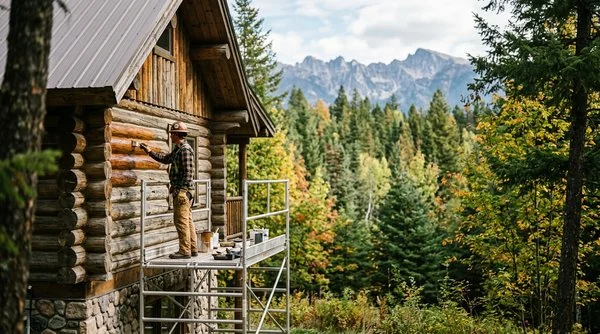
One of the most common surprises for log home owners in our region is discovering that one side of their home looks fresh and protected while the other looks grey, cracked, and dry. This is not random. It is the direct result of UV radiation, which intensifies with Montana's elevation and hammers the south- and west-facing walls of your home far harder than the shaded north side.
The result is that protective wood stains on south and west walls can fail in as little as two to three years, while north-facing surfaces may hold up for five years or more. Left unchecked, UV degradation strips away the sealant, opening the wood to moisture intrusion and the beginning stages of rot.
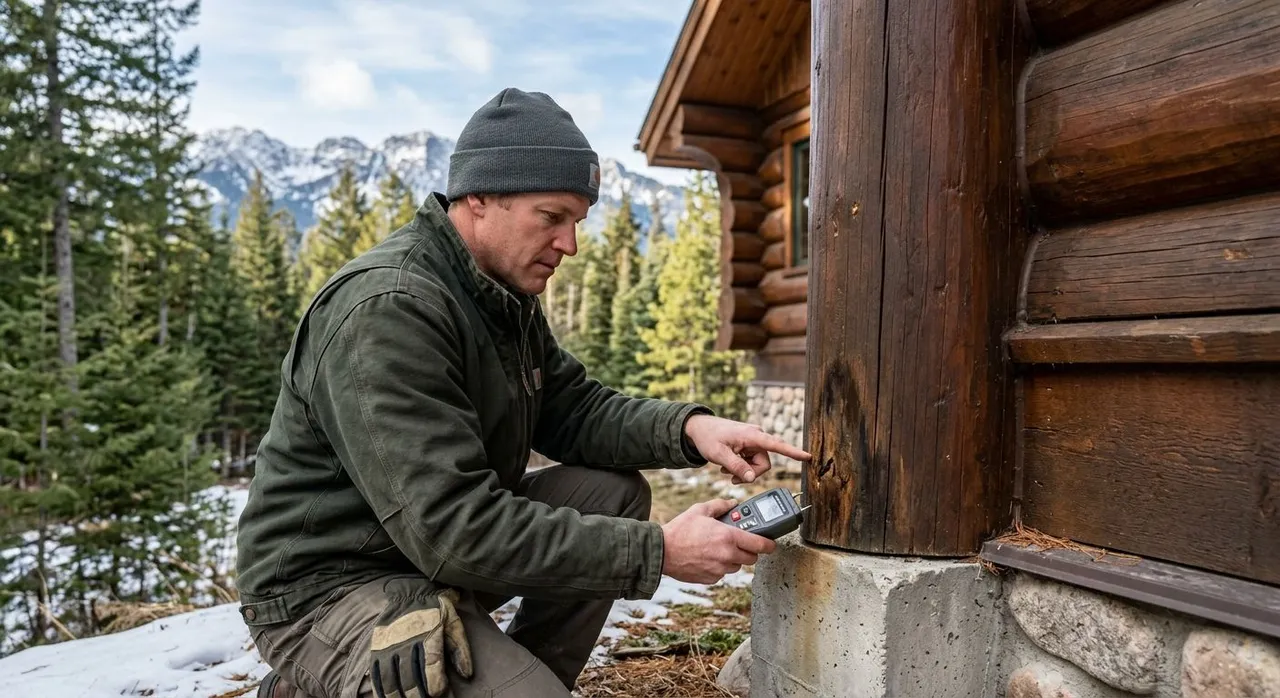
The simplest way to check your home's protection is the water bead test: spritz clean water onto a dry log. If it beads up and rolls off, your finish is doing its job. If the wood absorbs the water and darkens, your sealant has failed and it is time to act. Our
log home maintenance services
are specifically designed to address this kind of uneven, climate-driven wear before it becomes a structural problem.
2. Frost Heave: The Ground Beneath You Is Moving Every Winter
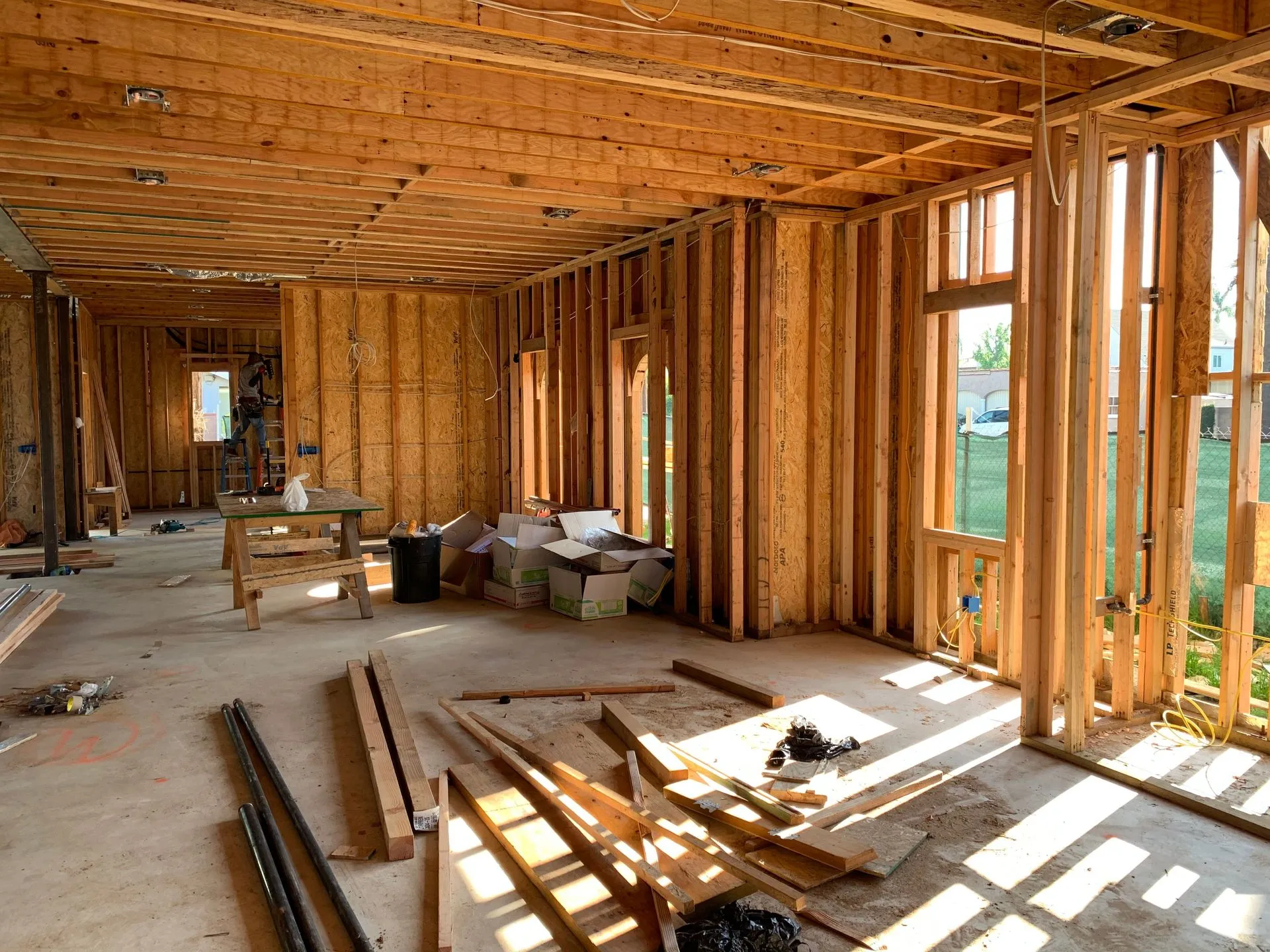
Montana winters are hard on everything above the ground. But what many homeowners do not realize is how much damage is happening beneath the surface. When ground moisture freezes in Libby's notoriously rocky soil, it expands. If a foundation was poured too shallow, that expanding ground lifts the concrete, causing structural cracks, shifting walls, and doors or windows that no longer close properly.
Western Montana building codes reflect this reality. Standard footing depth requirements typically start at 36 inches below finished grade for one-story structures and 48 inches for two-story builds. However, excavating to those depths in Libby's rocky terrain is labor-intensive and costly.
This is one reason Frost Protected Shallow Foundation (FPSF) systems have grown so popular in the region. By placing rigid insulation strategically around the foundation perimeter, these systems trap geothermal heat and prevent the soil beneath the slab from ever freezing in the first place. It is an elegant engineering solution that reduces excavation requirements while still meeting code and protecting the structure for the long term.
3. Splash-Back Rot: The Real Source of Log Decay
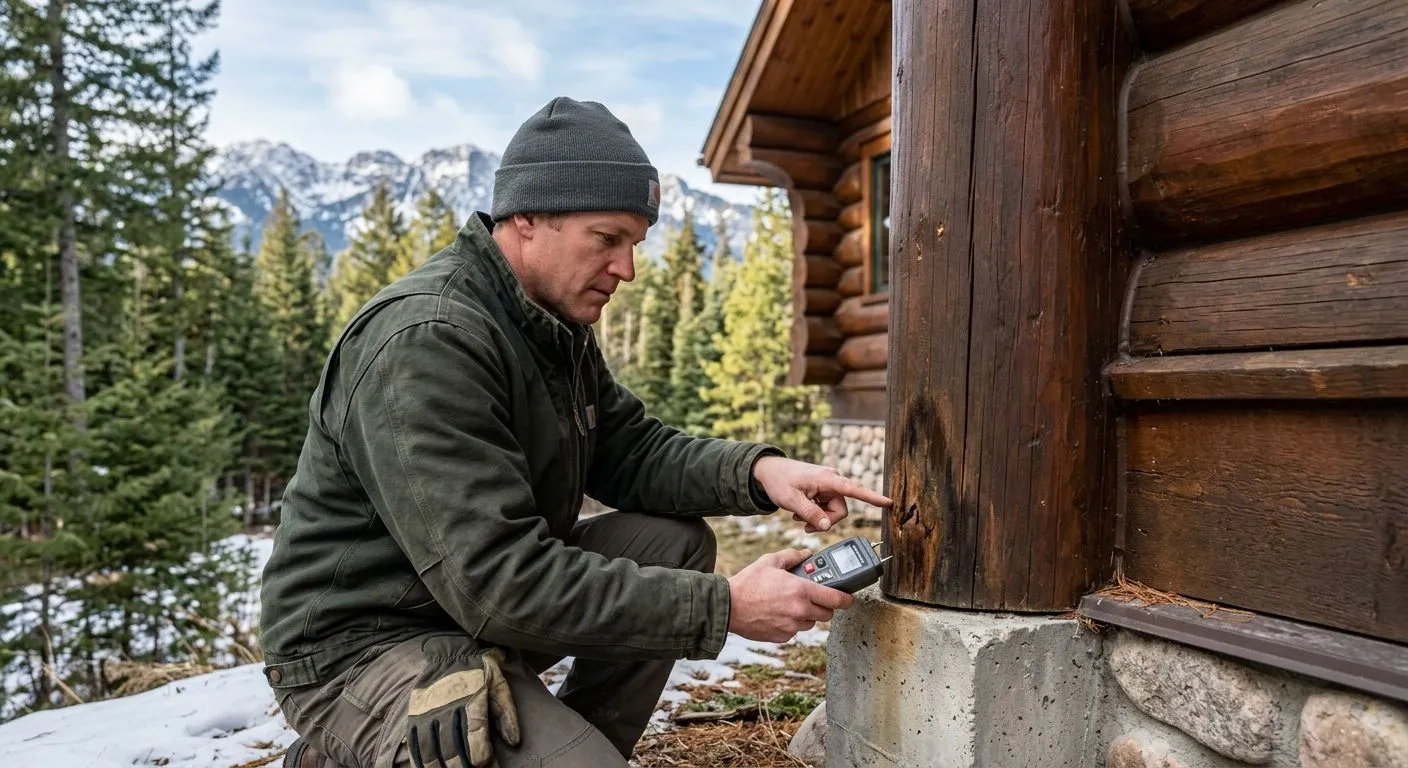
Ask most people where log rot comes from and they will say rain. The truth is more specific and more preventable. The majority of log rot in this region originates in what builders call the "splash-back zone." When rain or snowmelt drips off a roofline without gutters, it strikes the ground, a deck surface, or a gravel bed and launches a fine mist of dirty, moisture-laden water back up against the lowest two or three rows of logs. Over time, that constant moisture cycling causes decay from the bottom up.
The fix is a combination of thoughtful design and proper elevation. Wide roof overhangs of at least two to three feet dramatically reduce how much water reaches the ground close to the structure. Just as importantly, the lowest wooden log on any home should sit at least 12 to 18 inches above the ground or deck level. This simple clearance keeps the most vulnerable part of the structure consistently dry, even during heavy spring melt seasons.
4. Snow Loads and Severe Weather Engineering: This Is Not a Standard Build Zone
Lincoln County is officially classified with a "Severe" weathering index by local building departments. That designation exists for a reason. Custom homes in this region must be engineered to handle wind speeds reaching 115 mph and roof snow loads ranging from 30 to over 46 pounds per square foot depending on your lot's specific altitude and slope.
These are not hypothetical numbers. They represent real structural requirements that affect everything from the lumber grades specified in your framing plan to the anchor bolts in your concrete foundation. Beyond the structural frame, proper site grading is one of the most overlooked factors in a long-lasting build. Modern standards require that the ground around a new home drop at least six inches within the first ten feet away from the foundation to direct water away from the structure and prevent pooling that erodes footings over time.
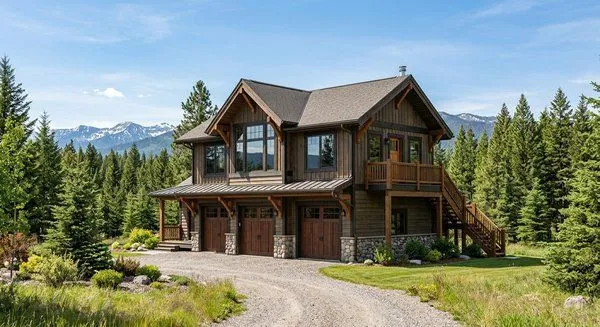
If you are planning a custom home build on your own lot in Lincoln or Flathead County, these engineering details are not optional extras. They are the foundation of a home that will still be standing and performing beautifully decades from now.
Frequently Asked Questions
How often should log homes in Libby, MT be restained or resealed?
South- and west-facing walls typically need a maintenance coat every two to three years due to intense UV exposure at elevation. North-facing walls may last five or more years between applications. A simple water bead test will tell you when it is time to act.
What is a Frost Protected Shallow Foundation and is it right for my project?
An FPSF uses rigid perimeter insulation to trap ground heat and prevent frost from forming beneath the foundation. It is a cost-effective alternative to deep excavation in rocky Montana soils and works especially well for heated homes and slab-on-grade detached structures like garages.
How high off the ground should the bottom log of my cabin be?
Industry best practice for the Libby and Kalispell region is to keep the lowest structural log at least 12 to 18 inches above the ground or any adjacent deck surface. This protects against splash-back moisture that causes the majority of bottom-row log rot.
Do custom homes in Lincoln County require special engineering for snow?
Yes. Roof snow load requirements in this region range from 30 to over 46 pounds per square foot depending on elevation and lot slope. All custom homes must be designed to meet these loads along with wind speed requirements that can reach 115 mph.
Can MBC Builders LLC help with both log home restoration and new custom builds?
Yes. The team handles everything from log home maintenance and restoration to full custom home construction and concrete foundation work across the Libby and Kalispell areas of Northwestern Montana.
Building or maintaining a home in Northwestern Montana means respecting the environment it sits in. The region rewards homeowners who plan carefully and work with builders who understand the local conditions at a granular level.
Recent posts